A c-section is major abdominal surgery, but a lot of hospital bag checklists treat it as an afterthought — a few extra items bolted onto a list built for a vaginal birth. That gap shows up fast once you’re actually recovering: you can’t twist to reach a diaper bag, laughing at a joke pulls at your incision, and stairs suddenly need a plan.
This list of postpartum essentials for a c-section is built around that reality — what genuinely helps in the days and weeks after surgery, not just after birth in general. You’ll find what belongs in your hospital bag, what to have ready at home before your due date, and a short explanation of why each item earns its spot. No filler, no generic new-parent must-haves — just what this particular recovery actually calls for.
My sister gave birth to her daughter two years ago through a C-section. I know how painful the postpartum recovery period was. I was beside her, taking care of her. And these essential items helped her a lot.
Why a C-Section Hospital Bag Packing List Looks Different
Recovering from a c-section is different from recovering from a vaginal delivery, and it helps to know why before you pack. A c-section is abdominal surgery — your doctor cuts through skin, fat, and muscle layers to reach the uterus, and those deeper layers need real time to heal even after the visible incision closes.
A few things follow from that:
- Hospital stays tend to run a bit longer than after a vaginal birth, often two to four days, depending on how the surgery and initial recovery go.
- Movement is genuinely restricted early on. Lifting anything heavier than the baby, driving, and twisting at the waist are usually off-limits until your doctor clears you.
- You’re still recovering from birth on top of surgery. Postpartum bleeding, hormone shifts, and basic newborn care don’t pause just because you also have an incision to protect.
That combination is exactly what this list is built around.
15 Postpartum Essentials for a C-Section (Quick-Glance Checklist)
Here’s the full list at a glance. Each item is explained in more detail below, organized by category.
| Category | Item | Why It Helps |
|---|---|---|
| Comfort & Clothing | High-waisted, incision-safe underwear | Sits above the scar instead of rubbing across it |
| Comfort & Clothing | Loose, stretchy going-home outfit | Nothing structured or tight near your midsection |
| Comfort & Clothing | Non-slip socks or slip-on shoes | Safer for that first supervised walk after surgery |
| Incision & Body Support | Postpartum support band | Adds gentle support when you stand, cough, or laugh |
| Incision & Body Support | Firm pillow | Brace it against your belly for car rides and feeding |
| Incision & Body Support | Ice pack or heat pack | Eases soreness, per your doctor’s guidance |
| Incision & Body Support | Doctor-approved scar care | Supports healing once your incision is cleared |
| Hygiene & Bathroom | Peri bottle | Gentler than wiping while you’re sore and healing |
| Hygiene & Bathroom | Heavy-duty postpartum pads | Bleeding happens regardless of delivery method |
| Hygiene & Bathroom | Stool softener | Pain meds and reduced movement often slow things down |
| Feeding | Nursing bra or soft bralette | No underwire digging in near a healing belly |
| Feeding | Nipple cream | Standard comfort item if you’re breastfeeding |
| Practical Helpers | Grabber or reacher tool | Cuts down on bending and twisting at home |
| Practical Helpers | Water bottle with a straw | One-handed hydration while holding the baby |
| Practical Helpers | Help lined up in advance | The most overlooked essential on this list |
Comfort and Clothing
These are about keeping fabric and movement away from your incision, not just looking put-together for visitors.
1. High-Waisted, Incision-Safe Underwear
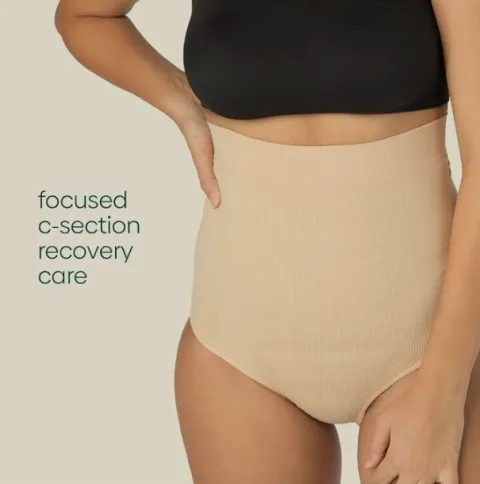
Skip anything with a waistband that sits right on your incision line — including most of what you already own. Look for high-waisted postpartum underwear, or briefs a size up from your usual, that sit comfortably above the scar. Grab a few extra of the mesh disposable kind hospitals often provide before you’re discharged.
2. Loose, Stretchy Going-Home and Recovery Clothing
Button-down or wrap tops make nursing and skin-to-skin easier without pulling anything over your head. For the bottom half, think drawstring or elastic-waist pants and leggings that sit below or well above the incision — nothing structured, and nothing with a zipper or button sitting right on the scar.
3. Non-Slip Socks or Slip-On Shoes
Nurses typically get you up and walking within a day of surgery, since movement helps circulation and recovery. Hospital floors are slick, and you’ll be moving slowly and carefully at first, so grippy socks or slip-on shoes matter more than they sound like they would.
Incision and Body Support
4. A Postpartum Support Band
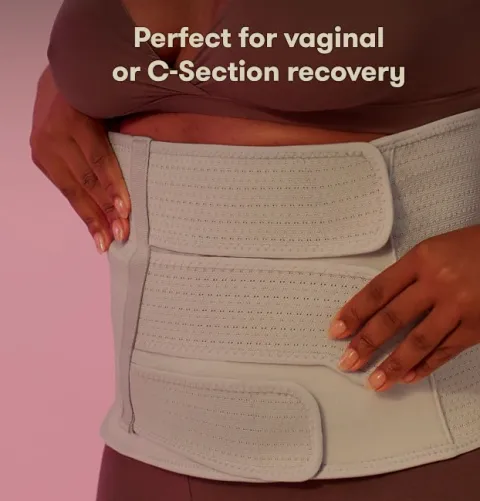
A support band, sometimes called a belly band or binder, adds gentle compression around your midsection. It won’t speed up healing on its own, but a lot of people find it makes standing up, coughing, laughing, and short walks noticeably less uncomfortable in the first couple of weeks.
5. A Firm Pillow for Bracing
Bracing a pillow against your belly before you cough, laugh, or shift position in bed takes real pressure off the incision. It’s also useful in the car, since the seatbelt sits right across your midsection otherwise, and during feeding sessions, when a nursing pillow does double duty. I got this pillow from Amazon, and it is comfy and ergonomic.
6. Ice Pack or Heat Pack
Cold therapy in the first day or two can take the edge off swelling and soreness around the incision, while heat later on can help with general muscle tightness as you start moving more. Ask your care team what they recommend and for how long, since guidance varies by provider.
7. Doctor-Approved Scar Care
Once your incision is fully closed and your doctor gives the go-ahead, usually a few weeks out rather than immediately, silicone strips or a scar-care product can support how the scar heals. Don’t start any scar treatment before you’re cleared — healing tissue needs to close properly first.
Hygiene and Bathroom Essentials
8. A Peri Bottle
It’s easy to assume this is only for vaginal deliveries, but postpartum bleeding happens no matter how the baby arrives. A peri bottle for gentle rinsing is more comfortable than wiping, especially in the first days when you’re already sore and moving carefully.
9. Heavy-Duty Postpartum Pads
Lochia, or postpartum bleeding, sticks around for several weeks regardless of delivery method, and it’s heavier than a period at first. Overnight-strength pads, not tampons, are what you’ll want on hand — tampons aren’t recommended in the early postpartum period.
10. A Stool Softener
Pain medication, reduced movement, and the abdominal surgery itself commonly make the first bowel movement after a c-section something people genuinely dread. A stool softener, once your doctor tells you which one and when to start, takes a lot of that fear out of the equation.
Feeding Essentials
11. A Nursing Bra or Soft Bralette
Underwire sits close to where your body is already tender, so soft, wireless nursing bras or bralettes are worth having ready even if you’re not sure yet how feeding will go. Sizing can shift in the first weeks, so avoid buying too many in one size upfront.
12. Nipple Cream
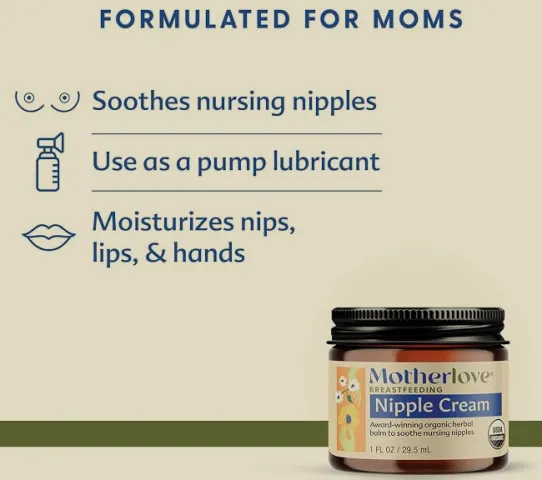
If you’re breastfeeding or planning to try, a basic lanolin or nipple balm earns its spot in the bag. It’s a small, inexpensive item that’s genuinely hard to replace once you actually need it at 2 a.m. This cream gives a lot of relief for a cracked nipple.
Practical Helpers for Home
13. A Grabber or Reacher Tool
You won’t be able to bend, twist, or reach overhead comfortably for a while. A cheap grabber tool for picking things up off the floor or reaching a high shelf saves you from the temptation to just do it anyway.
14. A Water Bottle With a Straw and Easy Snacks
Straws matter more than they sound like they should when you’re holding a baby with one arm. Keep a large water bottle and a stash of snacks that don’t need prep within reach of wherever you’ll be feeding and resting most.
15. Help Lined Up in Advance
This isn’t something you can order online, but it belongs on the list anyway. Line up a person, whether that’s a partner, family member, or friend, who can handle stairs, lifting, driving, and meals for at least the first couple of weeks. Recovery tends to go noticeably smoother with backup already arranged instead of scrambled together after the fact. For my sister’s postpartum recovery, I was her helper for a week.
You may like: Diaper Bag Essentials for Newborns: What to pack in a diaper bag?
Frequently Asked Questions
What’s different about packing for a c-section versus a vaginal delivery?
The core hospital bag items overlap, but a c-section adds a few incision-specific pieces: high-waisted underwear, a support band, and a pillow for bracing. You’ll also likely be in the hospital a day or two longer, so pack accordingly.
How long is the hospital stay after a c-section?
Many hospitals keep patients for two to four days after a c-section, longer than the typical one to two days after a vaginal birth, though the exact length depends on your recovery and your hospital’s protocols. Check with your care team for what to expect at your specific hospital.
When can I wear my normal clothes again after a c-section?
It varies by person, but most people find anything sitting directly on the incision, waistbands especially, feels uncomfortable for at least a few weeks. Loose, high-waisted, or below-the-scar clothing tends to be the most comfortable option through that stretch.
Do I actually need a belly band after a c-section?
It’s not medically required, but plenty of people find it helps with comfort during everyday movements like standing up or coughing. If you’re unsure, ask your doctor whether it’s a good fit for your specific recovery.
When can I shower after a c-section?
Most hospitals have patients showering within a day or two after surgery, usually with some guidance on keeping the incision area clean and dry. Your care team will tell you exactly when and how before you’re discharged.
Can I still use a peri bottle if I had a c-section?
Yes. Postpartum bleeding happens after every delivery, not just vaginal births, so a peri bottle is still genuinely useful for a c-section recovery.
How long does c-section incision pain typically last?
Sharper pain generally eases within the first one to two weeks, while soreness, numbness, or occasional twinges around the scar can linger for months as the deeper tissue continues healing. Anything that feels like it’s getting worse instead of better is worth a call to your doctor.
The Bottom Line
None of this needs to be expensive or complicated. Most of these postpartum essentials for a c-section are things you already have, can borrow, or can pick up for a few dollars — the point isn’t the shopping, it’s knowing what actually matters for this specific recovery. Pack the hospital bag a few weeks before your due date, set up a small recovery station at home, and line up help before you need to ask for it. The rest tends to sort itself out.
SEO Details
Primary Keyword: postpartum essentials for C-section
Secondary Keywords:
c-section hospital bag packing list
c-section recovery essentials
what to pack for a c-section
postpartum recovery items
c-section belly band
c-section incision care
things you need after a c-section
postpartum recovery checklist