A packed patio or a narrow side yard can still keep you in tomatoes, herbs, and salad greens from June through October. The idea that you need a sprawling plot to grow your own food is common, but it doesn’t hold up – some of the most productive vegetable gardens are also the smallest, mainly because every bed, pot, and trellis actually gets used. This post covers practical small backyard vegetable garden ideas: how to lay things out so nothing goes to waste, design choices that make a tiny space feel intentional instead of cramped, and ways to get started without spending much upfront. A raised bed along the fence line, a few containers on the patio, or a corner bed tucked next to the shed can all work, provided the layout matches the space you actually have.
Why a Small Yard Doesn’t Mean a Small Harvest
Space is only one part of the yield equation. Soil quality, sunlight, and how tightly you plan your beds usually matter more than total square footage. In a small yard, you tend to concentrate effort – better compost, tighter spacing, more attention to what’s planted next to what – and that intensity often produces more food per square foot than a big, loosely managed plot ever would.
Companion planting helps here too. Pairing crops that support each other, like tucking basil near tomatoes or letting beans climb next to corn, lets one patch of ground do more than one job. None of this requires more space. It just requires a bit more planning before anything goes into the ground.
Planning a Small Backyard Vegetable Garden Layout
Layout is where most small gardens succeed or fail. Getting this part right before you dig saves you from moving beds around a season later.
Raised Beds vs. In-Ground Rows
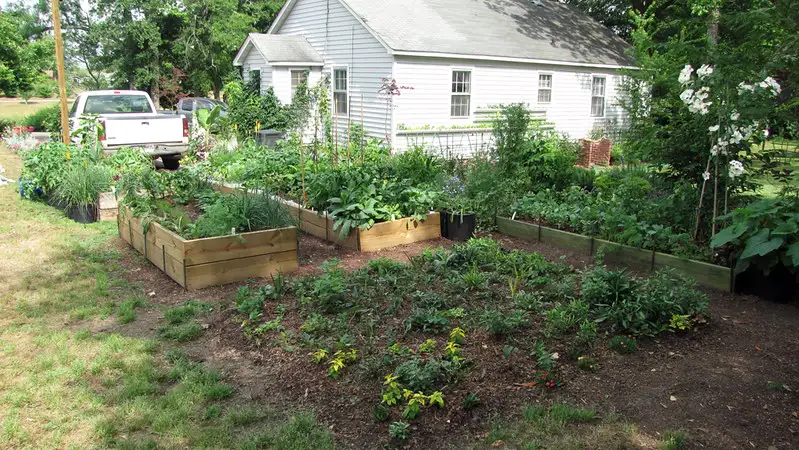
Raised beds warm up faster in spring, drain better after heavy rain, and let you control soil quality from day one instead of fighting whatever is already in the ground. They also save your back, since most people build them 12 to 18 inches high. The trade-off is cost and time – building or buying frames and filling them with a decent soil mix adds up.
In-ground beds skip all of that if your existing soil is reasonably workable. A few inches of compost dug into native soil each season can get you most of the benefits of a raised bed without the material cost. The right choice usually comes down to what your soil looks like now and how much you want to spend upfront.
Growing Vertically to Multiply Your Space
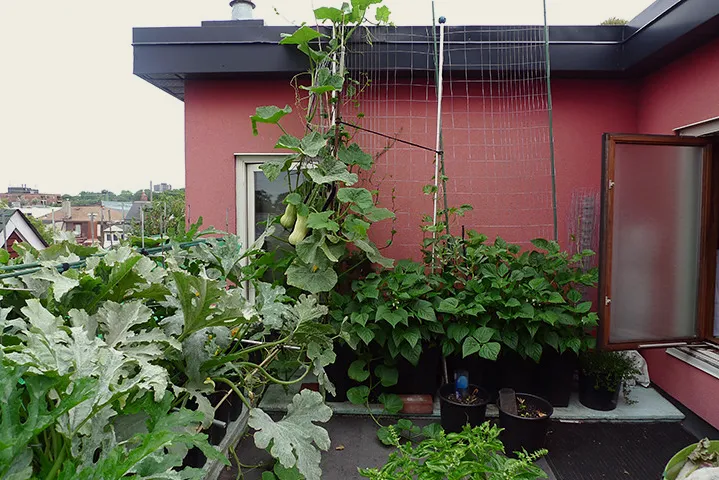
Anything that vines – pole beans, cucumbers, peas, and even compact squash varieties – can be trained up a trellis, cage, or simple netting instead of sprawling across the ground. This is probably the single biggest space-saver available to a small garden. A few feet of trellis can produce as much as a much wider patch of ground-grown vines, and it frees up that ground space for lettuce, radishes, or herbs underneath.
Growing vertically also improves airflow around the plants, which cuts down on some of the fungal issues that show up when vines are left to sprawl in a damp, crowded bed.
Square Foot Gardening as a Simple Framework
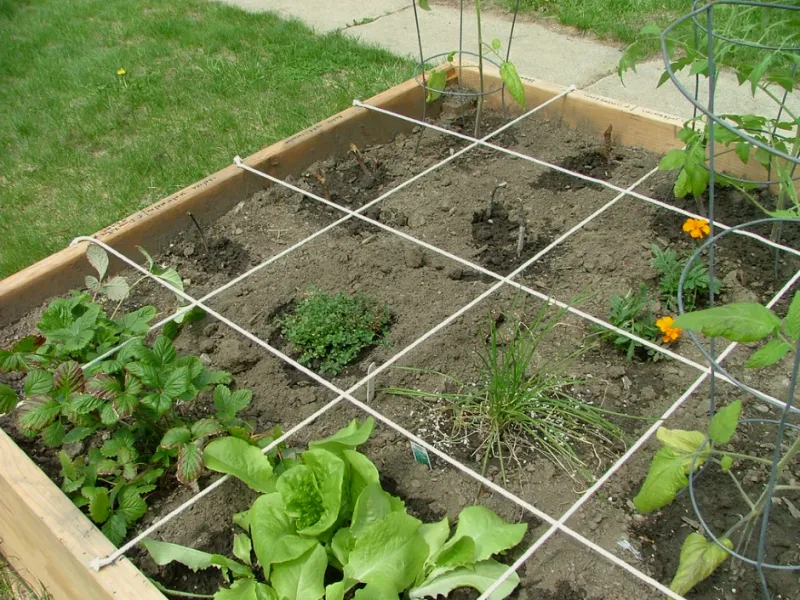
Square foot gardening divides a bed into 1-foot sections and assigns each one a set number of plants based on their mature size – one tomato per square, four lettuce plants per square, sixteen carrots per square, and so on. It’s a useful starting framework if you’ve never planned a garden before, mainly because it forces you to think in terms of mature plant size instead of how much room a seedling looks like it needs on day one. Overcrowding is one of the most common mistakes in small gardens, and this method largely prevents it.
Small Backyard Vegetable Garden Design Ideas
Layout is about function. Design is about how the space actually looks and feels day to day – and a small garden doesn’t have to look like an afterthought.
Corner and Edge Gardens
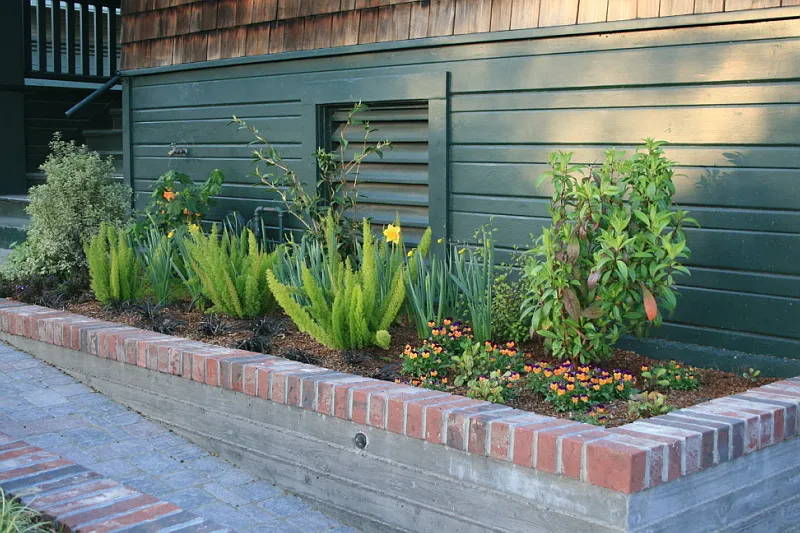
Most backyards have an underused corner or a strip along a fence that gets decent sun but isn’t doing much else. These spots are often the easiest place to start, since they don’t compete with lawn space or existing landscaping. A narrow bed along a fence line can hold a surprising amount if you plant in layers – taller crops like tomatoes or trellised beans at the back, medium plants like peppers in the middle, and low growers like lettuce or herbs along the front edge.
Container and Patio Gardens
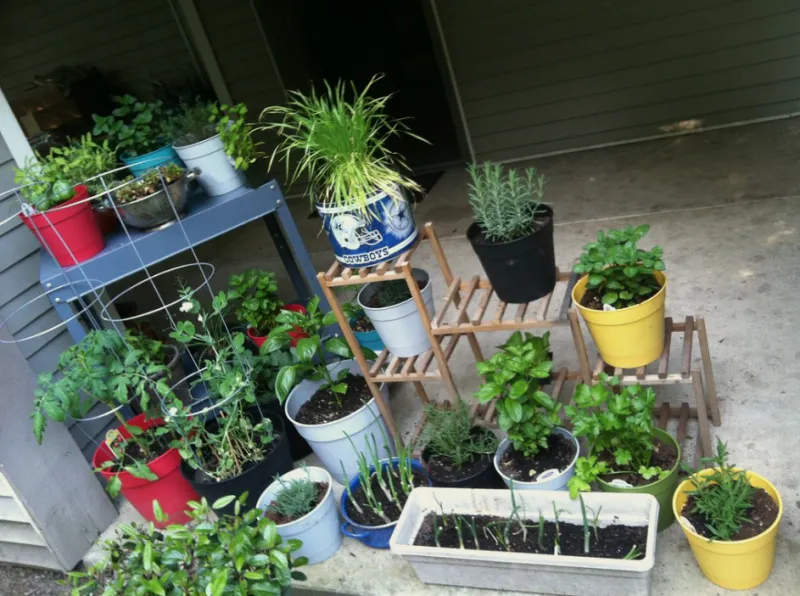
If you’re working with a patio, deck, or a yard with poor soil, containers solve most of the problem. Grow bags, half whiskey barrels, and large pots all work well for tomatoes, peppers, herbs, and salad greens. The main thing to get right is size – a five-gallon container is about the minimum for a full-size tomato plant, while herbs and lettuce can get by with much less. Containers also dry out faster than in-ground beds, so plan on watering more often during hot stretches.
Blending Vegetables Into Ornamental Beds
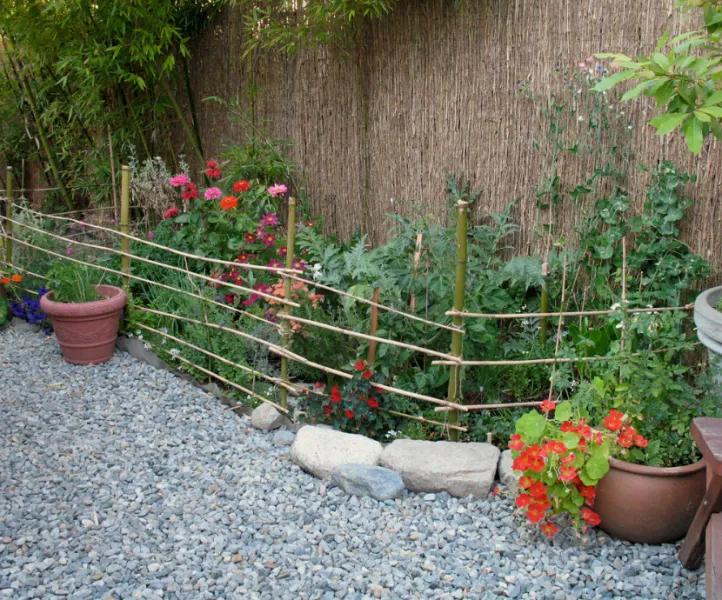
A potager-style approach mixes vegetables directly into flower beds instead of separating them into their own plot. Rainbow chard, purple basil, and trellised beans all hold their own visually next to flowers, and this works well if your backyard doesn’t have room for a dedicated garden bed but does have existing landscaping you’d rather not dig up. It keeps the yard feeling like one cohesive space instead of split between “garden” and “yard.”
Small Backyard Vegetable Garden Ideas on a Budget
None of this requires a big investment. Most of the cost in a new vegetable garden comes from bed materials and soil, and both have cheaper paths.
Building Beds for Less
Untreated cedar or pine boards are the standard raised bed material, but they’re not the only option. Cinder blocks, stacked without mortar, make a serviceable low bed and often cost less than lumber. Reclaimed wood from pallets or old fencing works too, as long as it hasn’t been chemically treated. If you’d rather skip a frame entirely, a mounded bed – soil piled directly on the ground and shaped into a low mound – costs nothing but the soil itself.
Starting From Seed Instead of Buying Starts
A packet of seeds costs a few dollars and can produce dozens of plants; a single nursery start costs roughly the same for one plant. The trade-off is time – seeds need a longer runway, and some crops, tomatoes and peppers especially, are usually started indoors 6 to 8 weeks before your last frost date. Fast growers like lettuce, beans, and radishes can be direct-sown straight into the bed, which skips the indoor step entirely and keeps things simple for a first garden.
Compost and Free Soil Amendments
Good soil is the most important input, and it’s also where new gardeners tend to overspend on bagged products. Kitchen scraps and yard waste turned into compost do most of the same job for free, just on a slower timeline. Many municipalities also offer free or low-cost compost through local waste programs, so it’s worth checking what’s available in your area before buying bagged soil amendments by the truckload.
Best Vegetables for Small Backyard Gardens
Some crops simply give more food per square foot than others. These tend to perform well in tight spaces, though exact spacing varies a bit by variety, so it’s worth double-checking the seed packet:
| Vegetable | Space Needed | Why It Works in a Small Garden |
|---|---|---|
| Bush beans | About 4-6 in. apart | Compact plants, no trellis needed, steady harvest over several weeks |
| Cherry tomatoes | One 5-gallon container, or about 2 ft. in a bed | High yield per plant, adapts well to container growing |
| Peppers | About 12-18 in. apart | Compact habit, does well in pots |
| Leaf lettuce & salad greens | About 6 in. apart, or scattered in a shallow container | Fast growing, can be cut and left to regrow |
| Radishes | About 2 in. apart | Ready in 3-4 weeks, useful for filling gaps between slower crops |
| Pole beans or peas | Grown vertically on a trellis | Uses vertical space instead of ground space |
| Herbs (basil, parsley, chives) | Small pots or bed edges | Take up little room relative to how much they produce |
Common Mistakes to Avoid in a Small Vegetable Garden
- Planning around seedling size, not mature size. A six-week-old tomato seedling looks tiny, but it can spread three feet wide by midsummer. Space according to the plant tag, not what fits comfortably right now.
- Underestimating sunlight needs. Most fruiting vegetables – tomatoes, peppers, squash – need at least 6 hours of direct sun. A spot that looks bright in spring can end up shaded once nearby trees leaf out.
- Skipping soil prep because the bed is small. A small bed with poor soil still produces a poor harvest. The size of the space doesn’t reduce the importance of what’s in it.
- Ignoring vertical space. Ground-level thinking is the most common reason small gardens feel cramped. A trellis or cage adds growing area without adding footprint.
- Choosing space-hungry crops without a plan. Full-size pumpkins, sprawling melons, and unsupported squash vines can take over a small bed fast. They’re not off-limits, but they need either a trellis or a dedicated corner where they’re allowed to spread.
Quick tip: before planting anything, sketch the bed on paper and pencil in mature plant widths. It takes ten minutes and it’s the easiest way to avoid overcrowding later.
A Simple Layout Example for a Small Backyard
Here’s one way to lay out an 8-by-4-foot raised bed along a fence line, just to make the ideas above more concrete:
- Back row, against the fence: a trellis or cattle panel with pole beans on one end and cucumbers on the other.
- Middle row: two or three pepper plants, plus a cherry tomato in a large container tucked at the corner.
- Front row: lettuce, radishes, and a row of basil along the very edge, cut and replaced through the season.
Add a couple of 5-gallon containers on the patio nearby for extra herbs or a second tomato plant, and that single bed plus a few containers can realistically keep a small household in fresh vegetables for most of the growing season.
Frequently Asked Questions
How much sunlight does a small backyard vegetable garden need?
Most vegetables, especially tomatoes, peppers, and squash, need at least 6 hours of direct sunlight a day. Leafy greens like lettuce and spinach tolerate a bit less, closer to 4 hours, which makes them a good option for shadier corners.
What’s the best layout for a small vegetable garden?
There’s no single best layout, but raised beds combined with vertical trellising work well for most small yards. Placing taller, trellised crops at the back or north side of the bed keeps them from shading shorter plants.
Can I grow a vegetable garden without raised beds?
Yes. In-ground beds work fine if your existing soil drains reasonably well and isn’t heavily compacted. Adding a few inches of compost each season usually improves it enough to grow most vegetables successfully.
Which vegetables grow best in containers?
Tomatoes, peppers, lettuce, herbs, and bush beans all do well in containers, as long as the container is large enough – generally 5 gallons or more for tomatoes and peppers, smaller for herbs and greens.
How do I start a vegetable garden on a tight budget?
Start with seeds instead of nursery starts, use cinder blocks or reclaimed wood instead of new lumber for bed frames, and make your own compost from kitchen and yard waste instead of buying bagged soil amendments.
How much space do I actually need to grow vegetables?
A single 4-by-8-foot raised bed, planted intensively, can produce a meaningful amount of food for a small household. Even a few containers on a patio can supply regular herbs and salad greens.
Can I mix vegetables with flowers in a small yard?
Yes – this is often called a potager-style garden. Chard, basil, and trellised beans all look fine next to flowering plants, and it’s a practical option if you don’t want a separate, purely utilitarian garden bed.
What’s an easy layout for a beginner with a small backyard?
A single raised bed with a trellis at the back for vining crops, a couple of mid-height plants like peppers in the middle, and low-growing greens or herbs along the front edge is a straightforward, forgiving place to start.
The Bottom Line
None of this hinges on having a big yard. A well-planned small backyard vegetable garden – even just one raised bed or a few containers – can produce more than most people expect from a small space. The plants that end up doing the most work are usually the ones chosen to fit the space, not squeezed into it after the fact. Start with one bed or a handful of containers, get the layout right, and expand later if it turns out you want more.
SEO Details
- Primary Keyword: small backyard vegetable garden ideas
- Secondary Keywords: small backyard vegetable garden layout, small backyard vegetable garden ideas on a budget, small backyard vegetable garden design ideas, raised bed vegetable garden, vertical vegetable gardening, square foot gardening, container vegetable garden, budget vegetable garden ideas, small space vegetable garden