A yard designed for dog happiness is also a yard that photographs beautifully. Think lush paths, sensory gardens, shaded nooks, and agility features that double as garden art. Here’s everything you need to design a space where both of you thrive.
1. Start with the Three-Zone Approach
Before planting a single flower or laying a single stone, think about how your dog actually uses outdoor space. Dogs aren’t passive — they patrol, sprint, sniff, rest, and dig. A well-designed yard gives them designated areas for each instinct, which also protects your garden beds from becoming a casualty.
Play Zone
Open turf for zoomies, fetch, and agility
Rest Zone
Shaded nook with cool ground cover to relax
Sniff Zone
Herb garden and textured paths for enrichment
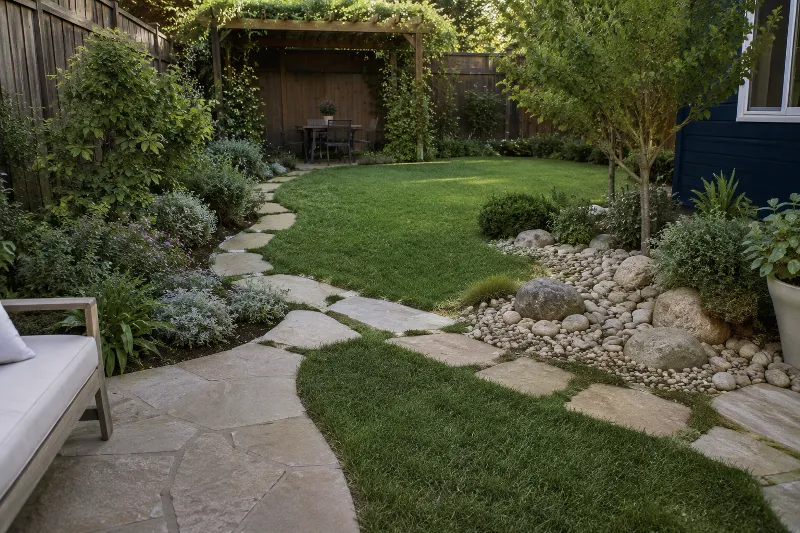
Tip: Each zone can be defined with a different ground texture — river pebbles for sniff zones, soft buffalo grass for play areas, and flagstone paths between them. It photographs like a styled garden, not a dog run.
2. Build a Dog-Proof (and Beautiful) Play Area
The play zone is the heart of your dog-friendly backyard. You don’t need expensive equipment — a few strategic features will keep your dog busy for hours while giving your yard serious visual appeal.
Low agility jumps
PVC pipe jumps double as garden art. Paint them terracotta or sage green.
Winding grass path
A curving mow path gives dogs a patrol route and adds structure to the lawn.
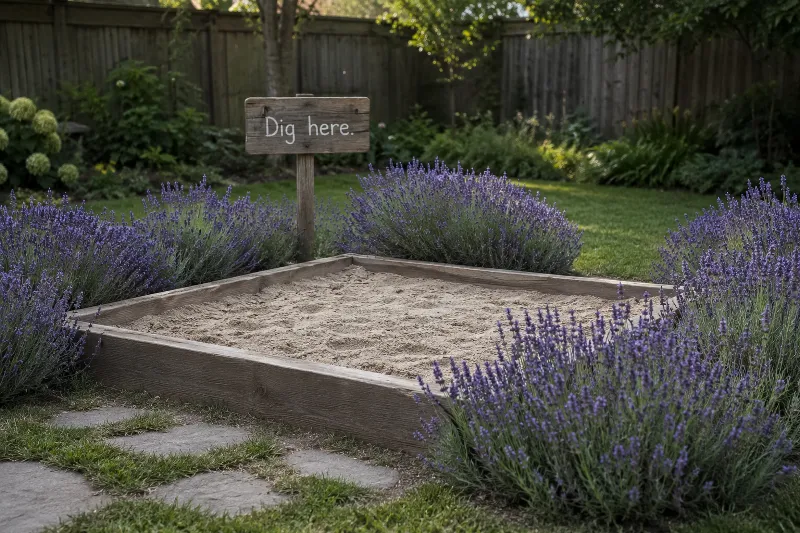
Digging box
A raised cedar sandbox designated for digging saves your flower beds.
Splash pad or pool
A shallow wading area with river stone surround is summer gold — for dogs and photos alike.
3. Create a Sensory Sniff Garden
A sniff garden is the mental enrichment tool your dog didn’t know they needed — and the secret garden feature your followers will obsess over. Dogs experience the world primarily through smell, so a path lined with aromatic herbs is genuinely stimulating for them. It’s also lush, fragrant, and incredibly photogenic.
Plant along a winding stone path so your dog can walk and sniff as they go. Use low ground covers between larger herbs to keep soil cool underfoot.
Rosemary
Strong scent, hardy, beautiful blue flowers. Dogs love to brush past it.
Mint
Grows freely (use containers), irresistible smell, and cools the air nearby.
Chamomile
Low-growing, daisy-like flowers, mild calming scent — great for anxious dogs.
Lemon balm
Citrus-scented leaves that dogs find intensely interesting. Plant in clusters.
Note: Avoid planting pennyroyal mint — it's toxic to dogs in large quantities. Stick to spearmint or peppermint varieties instead.
4. Dog-Safe Plants: The Essential Guide
Before you plant anything, check it against the ASPCA’s toxic plant list. Many gorgeous garden staples — sago palm, foxglove, azalea — are dangerous to dogs. The good news: there are dozens of beautiful, safe alternatives.
Sunflowers: Safe and cheerful tall backdrops
Snapdragons: Vibrant, safe, and dramatic
Marigolds: Also repel fleas naturally
Zinnias: Long-lasting colour, totally safe
Basil & Thyme: Edible herbs, safe in garden
Roses (thornless): Beautiful and non-toxic
Azaleas: Highly toxic — avoid entirely
Sago Palm: Extremely toxic, can be fatal
Foxglove: Toxic — beautiful but dangerous
Tulip bulbs: Bulbs especially toxic
5. Design a Shaded Rest Nook They’ll Actually Use
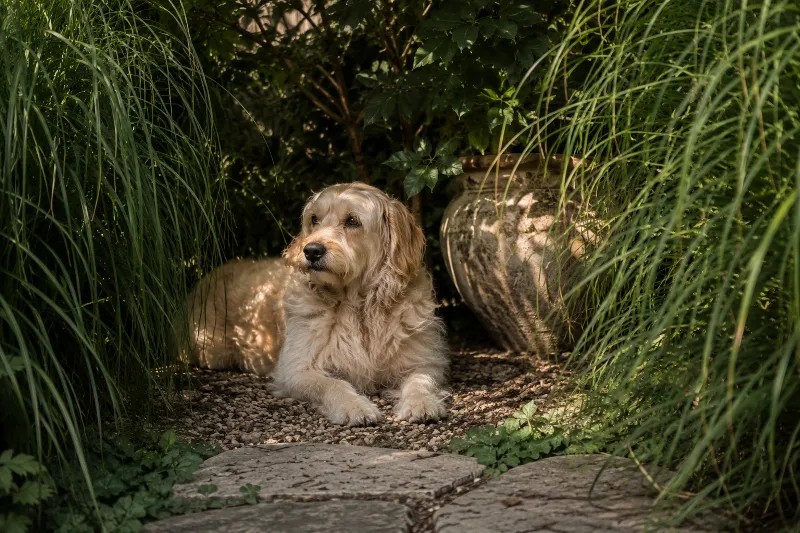
Dogs self-regulate temperature by seeking shade. If you don’t give them one beautiful spot to rest, they’ll dig under your prized rose bush instead. A dedicated rest nook is one of the best investments you’ll make — and it’s endlessly pin-worthy.
- Plant a fast-growing canopy tree like a crepe myrtle or dogwood at the corner of the play area
- Place a raised wooden day bed or outdoor dog cot in the shade — weatherproof and elevated for airflow
- Lay decomposed granite or flagstone underfoot to stay cool in summer heat
- Frame the nook with ornamental grasses for a sense of enclosure and privacy
- Add a garden water bowl fountain — moving water stays cooler and more enticing
6. Paths, Fencing & the Details That Make It Cohesive
The difference between a “dog run” and a designed dog garden is cohesion. Materials, colour palette, and thoughtful fencing make everything feel intentional — and make your outdoor space look like it belongs on a design blog.
Path materials
Use paw-friendly options: decomposed granite, flagstone, or smooth river rock — avoid sharp gravel.
Fencing style
Horizontal cedar slat fencing is trendy, secure, and photography-friendly. Height minimum: 4–5 ft.
Colour palette
Sage green, terracotta, and natural wood tones photograph beautifully and feel cohesive outdoors.
Lighting
Solar path lights and string lights let dogs (and people) enjoy the yard after dusk safely.
Ready to Start Planning Your Dog Garden?
Save this post, share it with a fellow dog-parent gardener, or ask below for a planting list tailored to your climate and breed.
#DogGarden
#PetFriendlyYard
#BackyardDesign
#DogMom
#GardenInspiration
Also Read: How to Design a Pet-Friendly Side Yard: Tips for a Safe and Fun Outdoor Space