Last Updated on 2 months ago by Priyanka Handique
A cardboard box, a few handwritten clues, and a little imagination can turn an ordinary afternoon into a memorable adventure. Treasure-hunting with kids is one of those simple activities that can keep little ones busy while also encouraging them to think, move, explore, and work together.
You don’t need expensive toys or a perfectly planned backyard to get started. A treasure hunt can happen indoors, at the park, in the garden, or even during a family walk. The best part is that you can easily adapt the game to your child’s age and interests.
From easy picture clues for toddlers to clever riddles for older children, this guide shares practical treasure-hunt ideas, setup tips, creative themes, and ways to make the activity one of your favorite kids fun activities with mom.
Why Treasure Hunts Are Great for Kids
Treasure hunts feel like play, but they can encourage several useful skills along the way.
As children search for clues and figure out what to do next, they naturally practice problem-solving, observation, memory, communication, and following directions. Physical hunts can also get them away from screens and moving around.
There’s another benefit that’s easy to overlook: connection. A treasure hunt gives parents and children something to do together rather than simply giving kids another activity to complete on their own.
For younger children especially, your excitement becomes part of the game. A dramatic whisper about a “secret clue” can be just as exciting as the treasure itself.
How to Plan a Treasure Hunt for Kids
The easiest treasure hunts have three basic ingredients: a clear starting point, a series of clues, and a final prize or surprise.
You can make the hunt as elaborate or as simple as your time allows.
1. Choose the location
Start by deciding where the hunt will happen.
Good options include:
- Living room and bedrooms
- Backyard or garden
- A safe park
- Around the house
- A classroom or playroom
- A family picnic area
For younger children, keep the area small enough that they won’t become frustrated or wander away.
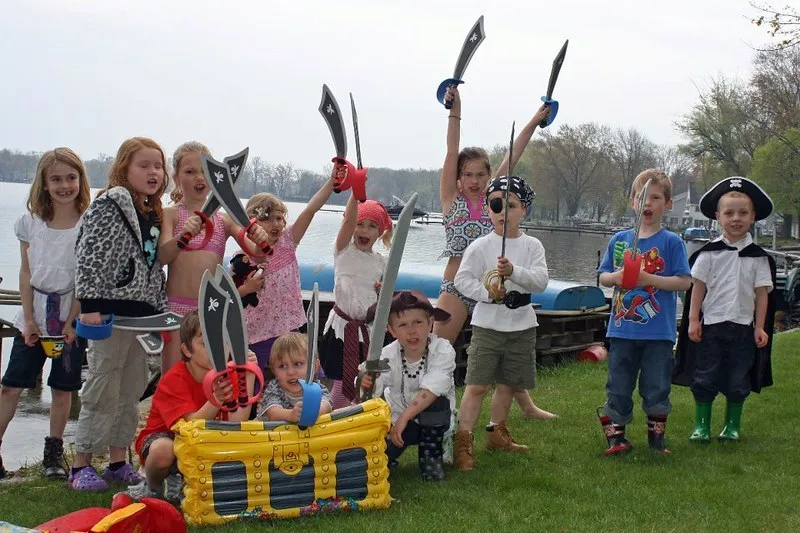
2. Pick a theme
A theme gives the hunt a little personality. Try one that matches your child’s interests.
Popular ideas include:
- Pirate treasure hunt
- Dinosaur adventure
- Fairy garden hunt
- Superhero mission
- Jungle explorer hunt
- Princess or royal quest
- Space adventure
- Bug and nature hunt
- Birthday treasure hunt
You don’t need decorations for the theme to work. A few clues and a little storytelling are often enough.
3. Decide how many clues to use
More clues aren’t necessarily better.
For younger children, 3 to 5 clues may be plenty. Older kids can handle a longer trail with more complicated challenges.
A good rule is to finish the hunt while children are still having fun rather than stretching it until everyone gets tired.
Easy Treasure Hunt Clues for Little Kids
Preschoolers may not be ready to solve written riddles, and that’s perfectly fine. Use clues they can understand without needing to read.
1. Picture clues
Draw or print a simple picture of the next location.
For example:
A drawing of a chair → check under the chair.
A picture of a toothbrush → look near the bathroom sink.
A drawing of a shoe → search near the shoe rack.
2. Color clues
Tell your child to find something of a particular color.
For example:
“Find something red. Your next clue is hiding nearby!”
This works especially well for younger children because they’re practicing recognition while playing.
3. Simple rhymes
Short rhymes add a fun storytelling element:
“Where we sit to eat our food,
Your next clue is waiting in a good mood.”
The answer might be the dining table.
Don’t worry about making every rhyme perfect. The excitement of solving the clue matters much more.
Treasure Hunt Ideas for Different Ages
A successful treasure hunt should feel challenging without becoming frustrating. The same game can be adjusted for different ages.
| Age | Best Clue Style | Activity Ideas |
|---|---|---|
| 2–3 years | Pictures, colors, simple directions | Find objects, follow arrows, match items |
| 4–5 years | Easy riddles and picture clues | Search-and-find, simple counting, movement challenges |
| 6–8 years | Short written clues and puzzles | Riddles, codes, sequencing, mini challenges |
| 9+ years | Multi-step clues and mystery challenges | Maps, ciphers, team tasks, logic puzzles |
The goal isn’t to test how clever your child is. It’s to give them a satisfying little challenge that they can solve with some encouragement.
Fun Indoor Treasure Hunt Ideas
Rainy day? No problem. Your house can become the adventure zone.
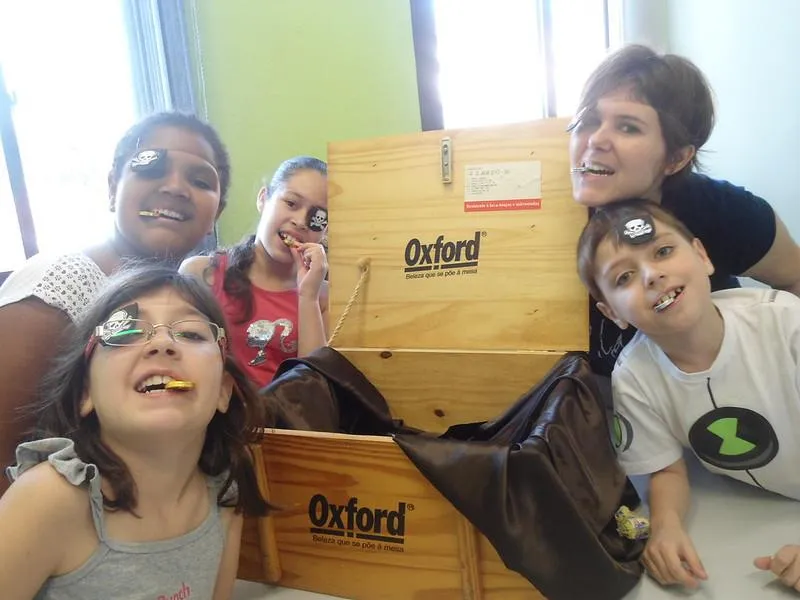
1. The Mystery Box Hunt
Hide a small box containing the final prize and create clues leading toward it.
The treasure could be:
- Stickers
- Temporary tattoos
- Small craft supplies
- A favorite snack
- A new coloring book
- A homemade “treasure certificate”
- A coupon for extra story time
You don’t need to spend much money. Kids are often more interested in the hunt than the value of the prize.
2. Find-and-Count Hunt
Create clues that involve counting.
For example:
“Find three pillows. Your next clue is under the smallest one.”
You can make the numbers gradually more challenging for older children.
3. Five-Senses Hunt
Build clues around the senses.
“Find something that smells nice.”
“Find something soft.”
“Find something that makes a loud sound.”
This can be particularly engaging for preschool-aged children.
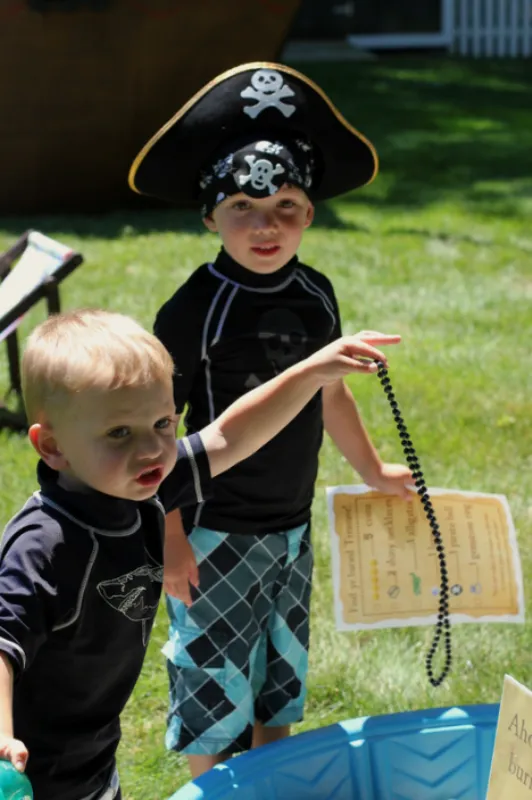
Outdoor Treasure-Hunting with Kids
Outdoor hunts give children room to explore while adding natural objects and movement to the game.
Try a nature treasure hunt where children search for safe, visible items such as:
- A smooth stone
- A fallen leaf
- A pinecone
- A stick shaped like a letter
- A yellow flower
- Something round
- Something rough
- Something smaller than their hand
For younger children, turn it into a simple checklist with pictures.
For older kids, add observation challenges such as:
“Find two different kinds of leaves.”
“Spot something that has wings.”
“Find something that starts with the letter B.”
Avoid asking children to pick live plants, disturb nests, approach wildlife, or collect anything sharp or unsafe.
Treasure Hunts as Kids Fun Activities with Mom
You don’t need a special occasion to turn treasure hunting into quality time.
A simple parent-child hunt can become one of those activities children remember because you were part of the adventure.
Take turns being the treasure master. One day, Mom creates the clues; another day, your child can hide them and lead you through the hunt.
You can even let your child decide what the “treasure” should be. Sometimes the prize might be ten minutes of playing a favorite game together, choosing the bedtime story, or having a special snack picnic.
That small choice gives children a sense of ownership and makes the activity feel more personal.
Make the Treasure Hunt Educational Without Making It Feel Like Homework
A treasure hunt can quietly support learning without turning playtime into a lesson.
1. Add reading practice
Write simple clues that encourage children to recognize words or sound out short sentences.
2. Practice math
Use counting, simple addition, number sequences, or comparisons.
Example:
“Find 5 blue objects. Subtract 2. Your next clue is hiding near that many books.”
3. Encourage problem-solving
Give children a clue that requires two steps instead of one.
For example:
“Find the place where we keep the spoons. Under the largest spoon holder is your next clue.”
4. Introduce directions
Older children can follow basic directional clues such as north, south, left, right, near, far, above, or below.
The trick is to keep the learning hidden inside the fun.
How to Make the Final Treasure Special
The treasure doesn’t have to be expensive. What matters is that it feels like a reward for completing the adventure.
Try creating a small treasure chest from a decorated cardboard box.
Inside, you could place:
- A handwritten note
- Stickers
- Crayons
- Small craft materials
- Homemade coupons
- A favorite treat
- A “Junior Explorer” certificate
- A clue leading to a surprise family activity
For siblings, consider creating equal prizes or a shared treasure so the final moment doesn’t turn into an argument.
Common Treasure Hunt Mistakes to Avoid
A little planning can make the game much smoother.
1. Making clues too difficult
If children need constant help, the hunt stops feeling like their adventure. Start easier than you think and increase the challenge gradually.
2. Hiding clues too well
A clue that’s impossible to find can quickly become frustrating. Hide things rather than burying them in inaccessible spots.
3. Making the hunt too long
Young children can lose interest surprisingly quickly. A short, successful hunt is better than a huge trail that ends with everyone exhausted.
4. Focusing too much on the prize
The searching, guessing, and excitement are the real entertainment. Keep the treasure simple and let the adventure do the heavy lifting.
5. Forgetting safety
Check the area before starting. Keep children away from roads, stairs, water hazards, sharp objects, unsafe plants, and areas that aren’t appropriate for unsupervised exploration.
Quick Treasure Hunt You Can Set Up in 10 Minutes
Need an activity right now? Try this simple version.
- Choose five locations around your home.
- Write one easy clue for each location.
- Hide the clues in order.
- Put a small surprise at the final location.
- Give your child the first clue.
- Join the search and celebrate every solved clue.
For example:
Clue 1: “Look where we keep our shoes.”
Clue 2: “Now find the place where cold food stays.”
Clue 3: “Your next clue is near something you sit on.”
Clue 4: “Look where we keep your favorite books.”
Clue 5: “The treasure is hiding where we brush our teeth.”
That’s it. No elaborate preparation required.
How to Keep Treasure Hunts Fresh
Once your child enjoys the first hunt, change the format rather than simply repeating the same game.
Try making one hunt:
- A race against the clock
- A team challenge for siblings
- A rainy-day indoor mission
- A birthday activity
- A holiday-themed adventure
- A nature exploration
- A bedtime clue trail leading to a storybook
- A photo scavenger hunt for older children
You can also let your child create the next hunt. They’ll often come up with surprisingly inventive clues once they understand how the game works.
Frequently Asked Questions
You can start around age 2 with very simple picture, color, or object-based clues. As children grow, introduce rhymes, written clues, puzzles, and multi-step challenges.
The prize can be very simple. Stickers, craft supplies, snacks, certificates, small toys, or a special parent-child activity all work well. The experience usually matters more than the cost of the reward.
For young children, around 3 to 5 clues is a good starting point. Older children can enjoy longer hunts with more complicated puzzles, especially when the activity includes different types of challenges.
Use large, easy-to-recognize pictures, colors, familiar objects, and simple directions. Keep the search area safe and nearby, and give plenty of encouragement as they find each clue.
Absolutely. An indoor hunt can be especially useful on rainy or busy days. Use safe household locations such as bookshelves, chairs, toy boxes, and the dining area, while avoiding places children shouldn’t explore.
Add age-appropriate counting, reading, colors, shapes, memory tasks, simple math, or problem-solving challenges. Keep the activities playful so children experience them as part of the adventure rather than schoolwork.
Yes. Siblings can work as a team, take turns reading clues, or compete in friendly challenges. For younger children and older siblings together, giving everyone a role can help keep the game enjoyable.
Final Thoughts
Treasure-hunting with kids doesn’t require a big budget, complicated materials, or hours of preparation. A handful of clues and a little creativity can turn an ordinary afternoon into an adventure.
The best treasure hunts are flexible. Make them silly, educational, active, quiet, indoors, or outdoors depending on your child’s age and mood. Most importantly, participate with them. Those moments of searching under cushions, solving clues, laughing at wrong guesses, and finally discovering the treasure can become the part they remember long after the game is over.
YOU MAY LIKE: When should you start shopping for the baby?