If you’ve ever tasted a Walla Walla onion straight from the garden — sliced raw on a burger or caramelized slowly in a pan — you already know why so many home gardeners are a little obsessed with growing them. They’re sweet, mild, and juicy in a way that regular storage onions just can’t compete with. But like any vegetable worth growing, Walla Wallas have preferences about who they live next to in the garden bed.
That’s where companion planting comes in. Pairing your Walla Walla onions with the right neighbors can mean fewer pests, healthier soil, better use of space, and sometimes even improved flavor. Get it wrong, and you might be stunting your crop without ever knowing why.
This post walks you through the best companion plants for Walla Walla onions, explains why each pairing works, and — just as importantly — covers which plants you should keep at a safe distance.
A Quick Word About Walla Walla Onions
Before we dive into companions, it helps to understand what makes Walla Walla onions a little different from the average onion.
Walla Walla sweet onions are a long-day variety, originally brought to Walla Walla, Washington from the island of Corsica in the late 1800s. They’re famous for their low sulfur content — which is exactly what gives them that mellow, sweet flavor instead of the sharp bite you get from a regular yellow onion. They grow large (often weighing 2–3 pounds!), mature relatively early at around 90 days from transplant, and are cold-hardy enough for northern gardeners.
Their one real downside? They don’t store long. High water content means they’re best used fresh, which makes growing a healthy, productive crop all the more important. Good companion planting helps you get there.
The Best Companion Plants for Walla Walla Onions
1. Carrots — The Classic Pairing
If there’s one companion planting duo that gets talked about more than any other, it’s carrots and onions. And for good reason — this partnership is backed by actual biology, not just gardening folklore.
Onions release sulfur-based volatile compounds that confuse and deter the carrot fly, a persistent pest whose larvae burrow through carrot roots and destroy them. Meanwhile, the scent of carrots helps repel the onion fly, which lays its eggs at the base of onion bulbs. They essentially cover each other’s blind spots.
Both crops also share similar growing needs — they prefer loose, well-drained soil and consistent moisture without waterlogging. When planted in alternating rows, they form a natural pest barrier across the whole bed without competing for space, since carrots grow deeper while onions develop near the surface.
How to plant them together: Alternate rows of Walla Walla onions and carrots through the width of your bed. This maximizes the pest-deterrence coverage on both sides.
2. Marigolds — Your Garden’s Bodyguard
Marigolds are a companion planting staple for good reason, and they work especially well alongside onions. They’re cheerful, low-maintenance, and they’re actively working for your garden while they bloom.
French marigolds (Tagetes patula) in particular are known for deterring nematodes in the soil — microscopic pests that attack root systems, including onion bulbs. They also help repel aphids, which can target onion foliage, especially during warm weather. Some gardeners swear that marigold root secretions actively improve the soil health around neighboring plants, too.
As a bonus, marigolds thrive in full sun and well-drained soil — the exact same conditions Walla Walla onions prefer. That makes them an easy, no-fuss addition to any onion bed.
How to plant them together: Border your onion rows with marigolds, or tuck them at the corners of raised beds. Even a few plants make a difference.
3. Lettuce — A Smart Use of Space
Lettuce is one of those companion plants that works almost purely through practical garden logic. Walla Walla onions are upright and vertical — they don’t spread wide or create much canopy. Lettuce, on the other hand, is a low-growing, shallow-rooted crop that fills in the gaps beautifully.
Because they occupy different vertical layers, they don’t compete for nutrients or sunlight. And since lettuce loves a bit of shade as temperatures rise, the mild shadow from onion foliage can actually help keep lettuce from bolting in midsummer.
Planting lettuce between onion rows also acts as a living mulch, helping the soil retain moisture — something Walla Wallas appreciate since they need consistent watering to develop full, juicy bulbs.
How to plant them together: Tuck lettuce rows between your onion rows, or scatter loose-leaf varieties throughout the bed as a ground-cover companion.
4. Brassicas — Cabbage, Broccoli, and Kale
Members of the brassica family — including cabbage, broccoli, kale, and Brussels sprouts — are another excellent match for Walla Walla onions. Onions’ pungent sulfur-based compounds help mask the scent of brassicas from insects like aphids and cabbage white butterflies that would otherwise zero in on them.
The relationship isn’t just one-sided, either. Brassicas are typically heavier feeders that develop large canopies, which can provide mild protection to onion soil from the harsh summer sun.
How to plant them together: Alternate every two rows of brassicas with a row of onions to give broad volatile-compound coverage across the brassica block without concentrating all the alliums in one zone.
5. Tomatoes
Tomatoes and onions make surprisingly good garden neighbors. Onions help protect tomatoes from aphids and other soft-bodied insects, while tomatoes offer some shade and help stabilize soil temperatures around shallow-rooted onion bulbs during hot spells.
If you’re growing both crops, positioning your tomatoes on the south side of your onion bed (in the Northern Hemisphere) lets them cast afternoon shade without shading out your onions entirely. Just make sure the tomatoes don’t become so large and vigorous that they completely overwhelm the onion space.
6. Peppers
Like tomatoes, peppers pair well with Walla Walla onions. The onion’s scent helps ward off aphids and thrips — two pests that love to spread viral diseases to pepper plants. Peppers, in turn, offer modest shade and help stabilize soil temperatures around the onion bulbs.
It’s a low-drama pairing that works well in both raised beds and in-ground plots, especially if you also add a few flowering herbs nearby to attract pollinators for the peppers.
7. Basil — The Aromatic Ally
Basil and onions might seem like an odd couple in the garden (they’re already a classic combination in the kitchen), but they actually get along quite well. Basil’s strong fragrance helps confuse and deter pests, and like marigolds, it works as a sensory barrier around vulnerable crops.
Basil thrives in full sun and well-drained soil — exactly what Walla Walla onions need. It’s also an incredibly useful herb to have on hand when your onions start coming in, since they’re used in so many of the same recipes.
Bonus tip: Sweet basil tends to work better as a companion than Thai basil — the scent profile is stronger and more pest-deterrent.
8. Chamomile
Chamomile is a gentle but valuable addition to any onion companion planting scheme. It attracts beneficial insects — particularly hoverflies and parasitic wasps — that prey on the pests that target onion plants. Some gardeners also report that chamomile seems to improve the flavor of vegetables growing nearby, though this claim is more anecdotal than scientific.
What’s not anecdotal is chamomile’s ability to draw in pest predators and create a healthier insect ecosystem around your garden. Plant it along the outer edges of your onion bed for best results.
9. Celery
Celery is another underappreciated companion for onions. Both plants have similar moisture requirements, and celery’s strong aromatic quality adds another layer of pest confusion to the bed. They occupy different soil levels, which reduces root competition, and celery’s upright growth won’t shade out your onion foliage.
What NOT to Plant Near Walla Walla Onions
Getting your companion planting right isn’t just about the good pairings — it’s equally about knowing what to keep apart. Some of these combinations are bad enough that they can actually stunt your onion harvest.
Beans and Peas (Legumes)
This is the most important one to remember. Peas, beans, and other legumes do not get along with onions. Onions can inhibit the growth of legumes, while legumes fix nitrogen in the soil — and too much nitrogen is actually harmful to onions, making them more susceptible to disease and reducing bulb quality. It’s a lose-lose pairing. Keep them in separate beds or at least several rows apart.
Garlic and Other Alliums
It might seem logical to group all your alliums together, but this is actually a mistake. Garlic, leeks, shallots, and chives share the same family as onions — and that shared genetics means they’re attacked by the same pests and diseases. Planting them together dramatically increases the risk of an onion fly or onion maggot infestation wiping out your entire planting in one go. Spread your alliums around the garden rather than clustering them.
Sage
Sage and onions have very different watering needs. Onions are shallow-rooted and need consistent moisture — at least an inch of water per week — to develop full bulbs. Sage is drought-tolerant once established and prefers to dry out between waterings. Trying to meet both plants’ needs in the same bed is a recipe for either soggy sage or underdeveloped onions. Keep them separate.
Asparagus
Onions and asparagus have a mutually inhibiting relationship — each can stunt the other’s growth. Since asparagus is also a perennial that occupies its bed for many years, this is an easy one to plan around from the start. Just don’t put your onion bed adjacent to your asparagus patch.
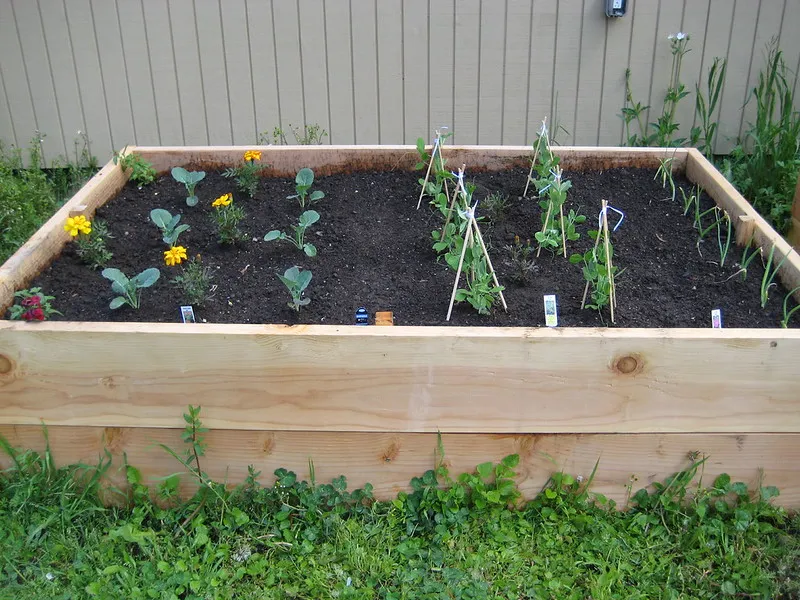
A Simple Companion Planting Layout for Walla Walla Onions
Not sure how to put this all together in practice? Here’s a simple layout that works well in a standard raised bed:
- Center rows: Walla Walla onions alternating with carrot rows (onion–carrot–onion pattern across the bed’s width)
- Between onion rows: Loose-leaf lettuce tucked in to fill gaps and retain moisture
- Outer border: French marigolds or chamomile along the edges to attract beneficial insects and deter pests
- Corner anchor (optional): A single broccoli or cabbage plant at one corner of the bed benefits from onion proximity without overwhelming the space
- Nearby bed (not in the same bed): Basil, tomatoes, or peppers within a few feet — close enough to benefit from the onion’s pest-deterrent properties without crowding the bulbs
This layout makes good use of different root depths, maximizes pest deterrence through mixed volatile chemistry, and gives you a productive, space-efficient bed through the season.
Final Thoughts
Walla Walla onions are already one of the most rewarding vegetables you can grow at home — that sweetness you can’t find in a grocery store makes them worth every bit of effort. Adding thoughtful companion plants to the equation just tips the scales further in your favor.
Carrots and marigolds are the workhorses of Walla Walla onion companionship. Lettuce, chamomile, brassicas, and basil are all solid supporting players. And keeping beans, peas, garlic, and sage well away from your onion patch will save you from headaches you might not even trace back to the planting layout.
The best thing about companion planting is that once you understand the principles — pest deterrence, soil health, space efficiency, and shared growing needs — you start to see your garden as an ecosystem rather than a collection of individual crops. And that shift in thinking makes everything grow better.
Have a companion planting combination that’s worked really well (or really badly) for your Walla Walla onions? Drop it in the comments — I’d love to hear what’s working in your garden.
Related posts you might enjoy:
→ How to Grow Walla Walla Onions from Seed
→ What to Plant Next to Eggplant in a Raised Bed?
→ What to Plant With Strawberries in a Raised Bed (And Why It Actually Matters)